Public Lands

The Mojave and Great Basin deserts are complex ecosystems with extremes of temperature and landscape ranging from frozen high alpine islands like Mt. Charleston towering above Las Vegas (19th most prominent summit in the U.S.) to vast rain shadow desert basins. Despite longstanding misperceptions of the intermountain deserts as “empty wastelands” they are the ancestral home of the Shoshone and Paiute Nations who have thrived across Newe Sogobia for thousands of years. The public lands now controlled by the federal government have a rich and complex history of human habitation resulting in many forms of “hybrid” landscapes with opportunities for innovative research at the intersections of environment and history.
Nevada has the highest concentration of public lands in the lower 48 with over 70 Million acres. Las Vegas is an island in this ocean of natural and cultural resources and a perfect laboratory for public history. Las Vegas is a strategic hub of public lands research and every land management agency has a major presence here.
-
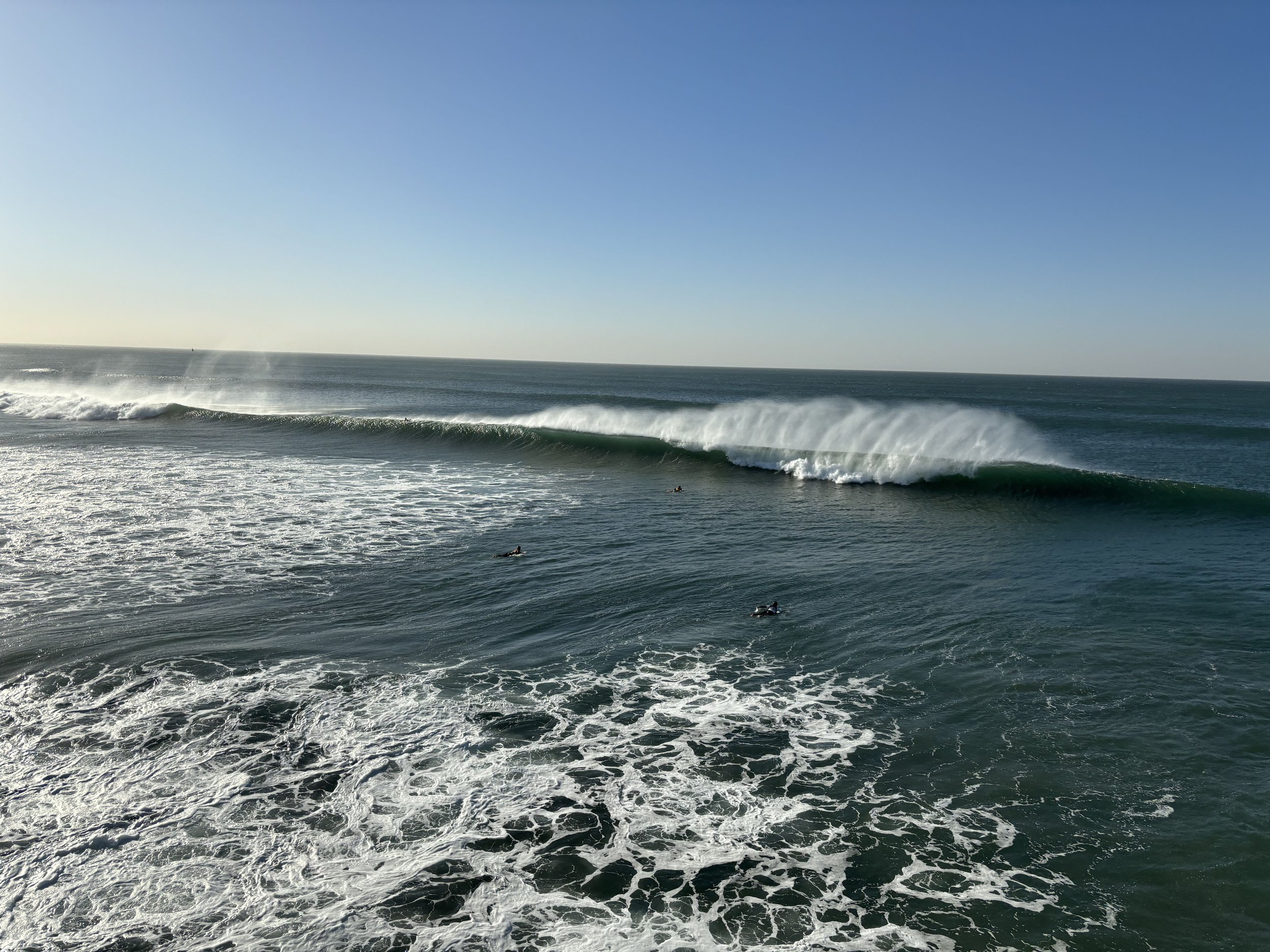
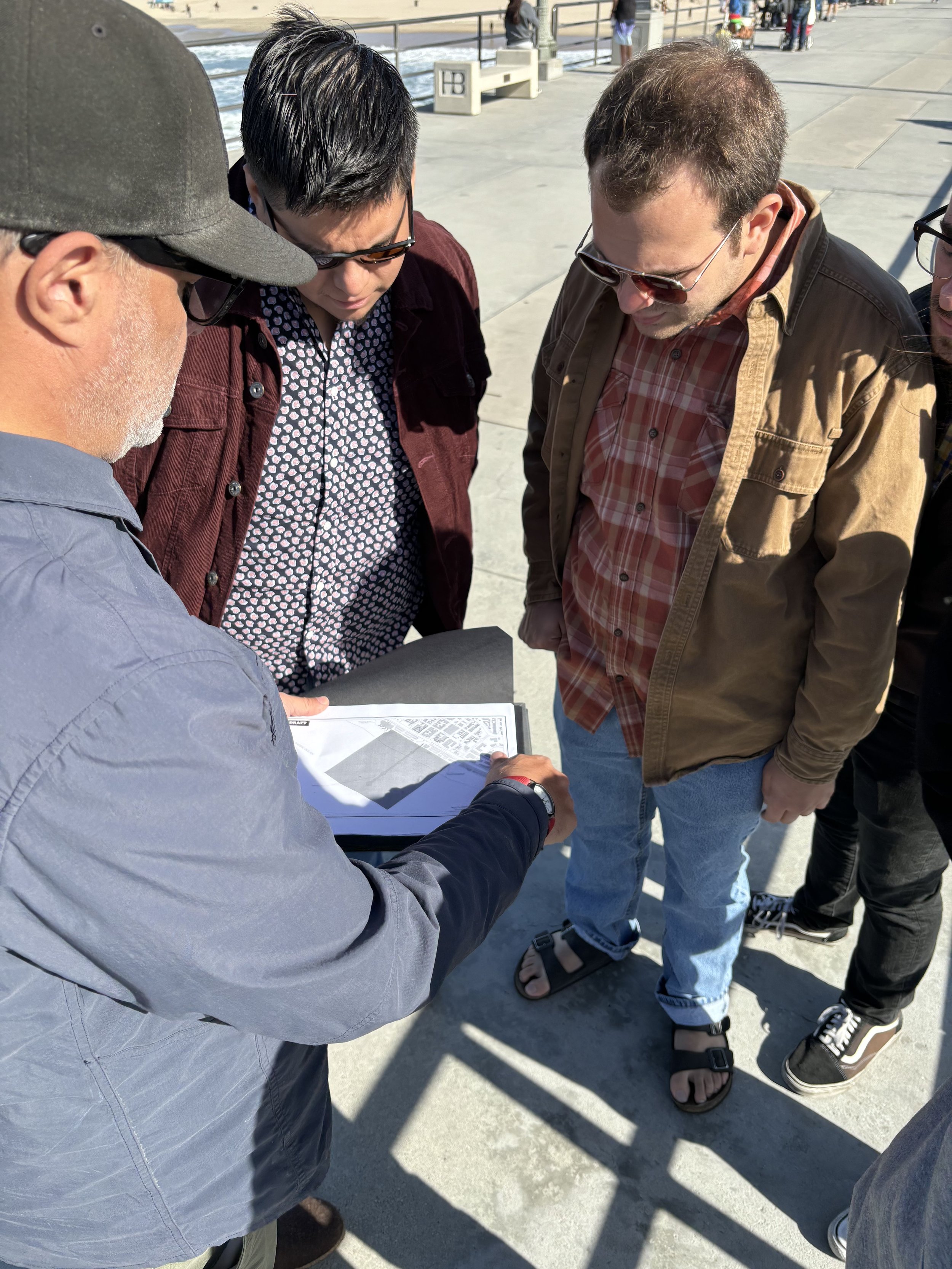
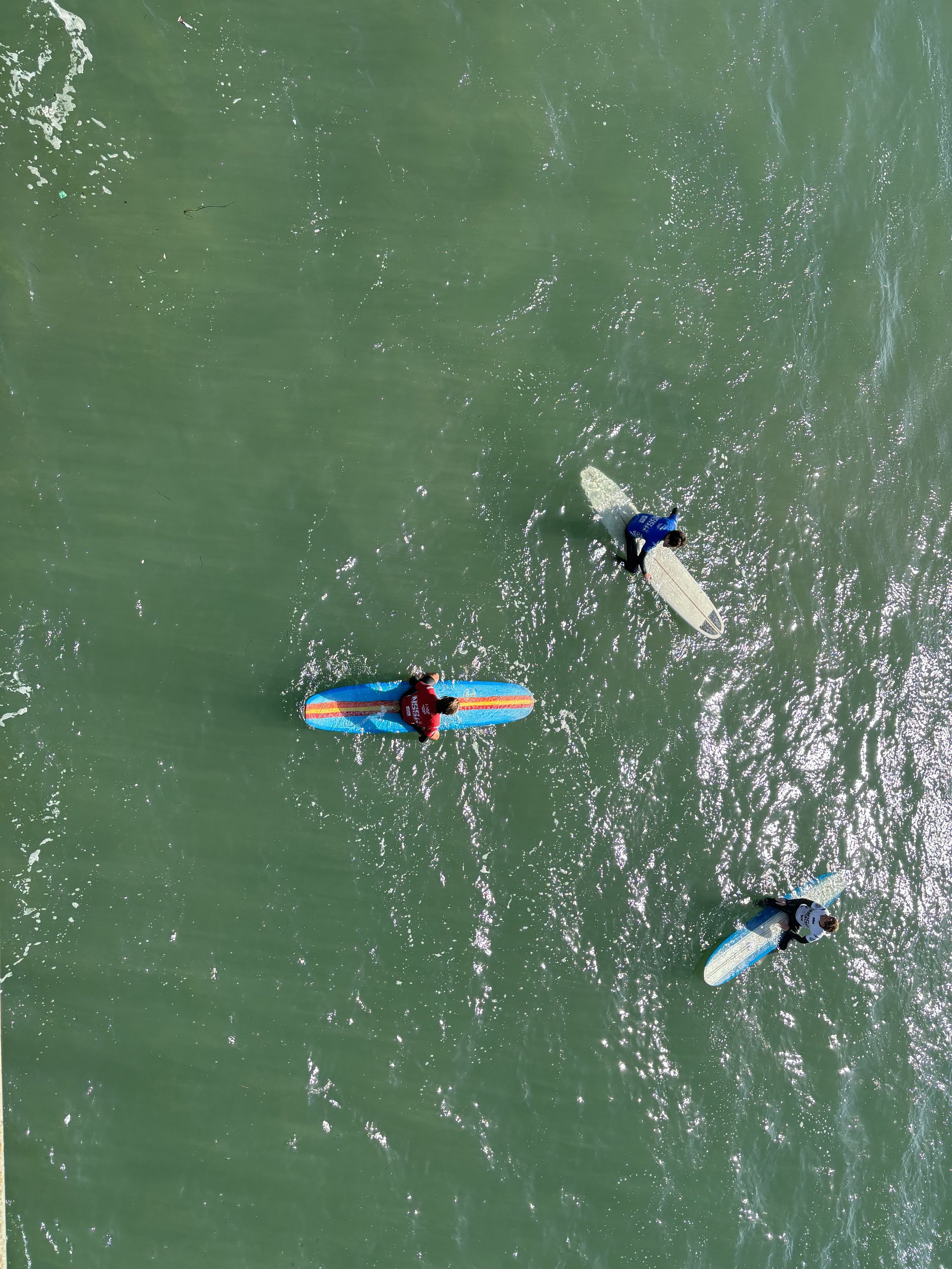
California Surf Multiple Property Document (MPD). The Surfing History MPD is a collaborative partnership between the Reid Public History Institute, the National Park Service Community Partners Program and Sea of Clouds, a nonprofit environment/historic preservation organization that placed the Malibu Surf Break on the National Register of Historic Places. This project is funded by two Cooperative Ecosystems Studies Unit (CESU) grants from the NPS Community Partners Program. The Surf MPD will provide a contextual framework for ongoing and future efforts to preserve sites and cultural landscapes associated with the history of surfing in California. This project will contribute to efforts to use historic preservation mechanisms to preserve sensitive environmental sites impacted by climate change.
Historic surfing sites are especially vulnerable to climate change and preserving the history of these cultural landscapes while still representative of their period of significance is urgent. When complete, three historic surf breaks will be added to the National Register. This work builds on series of Yosemite projects that began with the efforts of the rock climbing community to preserve the historic climbers Camp 4 profiled below. It has been an honor to work with Sea of Clouds and their team of pioneering researchers who created the model for this type of historic preservation research.
-
Production in the Desert is an initiative aimed at uniting the theory and methods of environmental history with the practice and mechanisms of historic preservation and cultural resource management. UNLV history faculty and graduate students in collaboration with community and agency partners, pioneered these methods over the past twenty-five years. Our UNLV public history programs use a collaborative seminar model to bring real world projects and collaborators into graduate classes. History 749-750-791 offer year-long core seminars built around grant-funded projects with significant opportunities to collaborate with agency and community partners. Students have used these experiences to move directly into full time employment.
This area of research and public history fieldwork and scholarly production is explained in, Andrew Kirk & Charles Palmer, “When Nature Becomes Culture: The National Register and Yosemite’s Camp 4: A Case Study,” The Western Historical Quarterly 38:4 (Winter, 2006) 497-507.
A little history of productions in the desert
In January of 1971,Whole Earth Catalog Editor Stewart Brand traveled with his team to a remote area of the Saline Valley in the Mojave Desert of Eastern California. Members of the Ant Farm art collective joined the Whole team and constructed an encampment of inflated structures. Inside and in the desert surrounding, they produced the January 1971 Supplement of the Whole Earth Catalog. We've researched and listed western sites associated with the counterculture on the National Register and brought insights from historical efforts to "produce" in the desert to our range of public land based research initiatives.
The Mojave Desert has long served as an experimental landscape appreciated and appropriated by a remarkable range of people, agencies and groups. While the countercultural collective at Saline were creating material that contributed to the Whole Earth Catalog winning the National Book Award in 1972, The Atomic Energy Commission was busy excavating and detonating sixteen nuclear devices at the Nevada Test Site one hundred miles to the East. On the Northern edge of the Test Site artist Michael Heizer was a year into construction of his massive land art project, “City.” Understanding the complicated and contested history of how individuals and groups used the Mojave and Great Basin deserts to create and destroy is a core mission of our research initiatives.
ALLOY
By 1971, the high deserts of New Mexico were well established as another experimental landscape that attracted generations of creative people. One the most important examples was the 1969 "Alloy" event held at the La Luz Pottery complex in the mountains of Southern New Mexico. This happening attracted industrial designers, architects, builders, “think-makers,” “Doer’s,” "prototypers," "hope freaks," and artists who established an important community of proto-sustainability and appropriate technologists who became important leaders and innovators of modern environmentalism and green design.
Alloy was a celebrated on the pages of the National Book Award winning, Last Whole Earth Catalog (1972) but the site of this nationally significant gathering had never been recognized or interpreted as an historic site associated with this important history. In 2023-2024, RPH Director Andy Kirk collaborated with the New Mexico State Office of Historic Preservation and the Tularosa Historic Society to research and draft an significant amendment to a much earlier National Register Nomination of the La Luz Pottery.
The new National Register documentation was approved by the NM SHPO and the Keeper of the National Register in 2024.
-
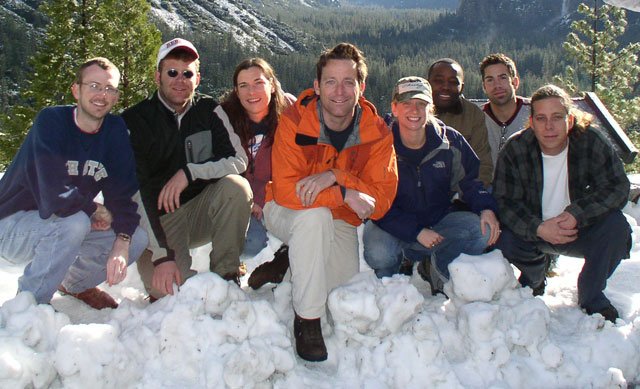
UNLV’s many collaborations with the National Park Service include a ten-year series of projects in Yosemite National Park. These projects enabled faculty and thirty graduate students from three different College of Liberal Arts programs to document and preserve many of the park’s hybrid places. Institute Director Andy Kirk was one of two scholars advising the National Park Service on the controversial National Register Nomination of the world-renowned Yosemite Camp 4, known to most as the rock climbers’ campground. That interesting initial experience resulted in a series of grant-funded historic preservation research projects.
With students and UNLV faculty, Kirk and team created a Multiple Property Document (MPD) to aid in the preservation of Yosemite’s 600-plus historic resources and cultural landscapes. The MPD included 20 new individual National Register Nominations of a wide range of critical historical resources and landscapes and a new framework to aid researchers, NPS officials and preservationists in future efforts to preserve the history of the nation’s first national park. Following the MPD the UNLV Public History Program completed an Administrative History of Yosemite.
-
A unique National Register Nomination (2022) of the 90 mile Mojave Road linear corridor running through the Mojave National Preserve. A branch of the Old Spanish Trial this highly significant transportation trail system created by the indigenous peoples of the region was later used by European explorers and then US transcontinental surveyors and the US military. The Mojave Road epitomizes the type of hybrid landscape National Register work the institute specializes in. The review process generated interesting questions about how the National Register can be used to interpret and protect resources like this simple dirt road through a vast landscape of remote desert. Students needed to explain to cultural resource managers how insights from environmental history could reveal new information from primary sources that established the historical context for a long ribbon of dirt as both a natural landscape and historical site.
-
UNLV public historians completed many other public land projects including Historic Resource Studies, Administrative Histories, and National Register and National Landmark work.
Examples include:
Lake Mead
Death Valley National Park
Mojave Road
Zion National Park
Point Reyes
Red Rock National Conservation Area
Spring Mountain State Park
Bok Kai Temple
Pioche Court House

The Institute builds upon decades of work by UNLV’s Public Lands Institute an interdisciplinary group of biologists, sociologists, journalists, and historians lead for decades by geologist Peg Reis and funded by significant grants from federal land management agencies and collaborators. UNLV public historians worked with Reis to complete essential historical research that resulted in National Register listing and contextual frameworks for public land interpretation. Reid Institute Director Andy Kirk was awarded a Saving America’s Treasures Grant to complete research on the historic Walking Box Ranch, now an anchor of the new Avi Kwa Ame National Monument and Mojave Desert interpretation and stewardship.
Our public lands research provides academic research and field expertise in collaboration with community and agency partners working to protect and preserve “hybrid landscapes”-- places that don’t meet traditional definitions of “nature” or “culture.” Our hybrid-landscapes work resulted in dozens of National Register Nominations, National Landmark designations, Cultural Resource Studies, Multiple Property Documents for Yosemite National Park, Historic Resources Studies and Administrative Histories and Determinations of Eligibility throughout the Mojave and Great Basin regions.
The Yosemite Multiple Property Documentation (MPD) included 20 new individual National Register Nominations of a wide range of critical historical resources and landscapes and a new framework to aid researchers, NPS officials and preservationists in future efforts to preserve the history of the nation’s first national park. We especially enjoyed working on the nominations for the High Sierra Camps scattered across Tuolumne Meadows and High Peaks areas of the park. Other similar projects included extensive work in the Mojave National Preserve where we placed the Goffs Schoolhouse and Mojave Road on the National Register.
The Mojave is our home base but our interests include all the hybrid landscapes of the American West.
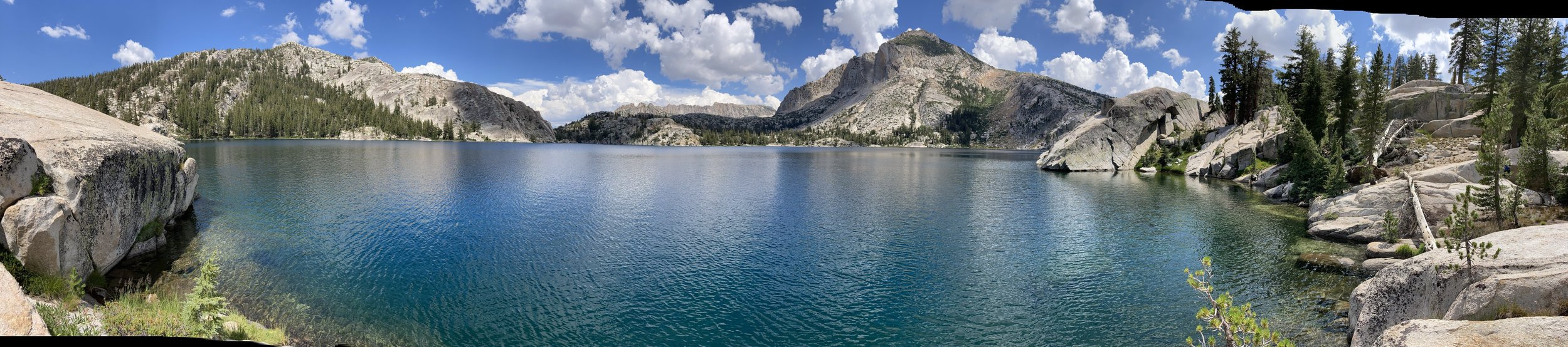

Fieldwork & Research @ Saline Valley—Alloy Site—Red Rock National Conservation Area Las Vegas—Yosemite—Death Valley