
Doom Towns: The People and Landscapes of Atomic Testing
Andy Kirk & Kristian Purcell, Doom Towns: The People and Landscapes of Atomic Testing A Graphic History (Oxford, 2017) won the National Council on Public History 2018 Book Award.
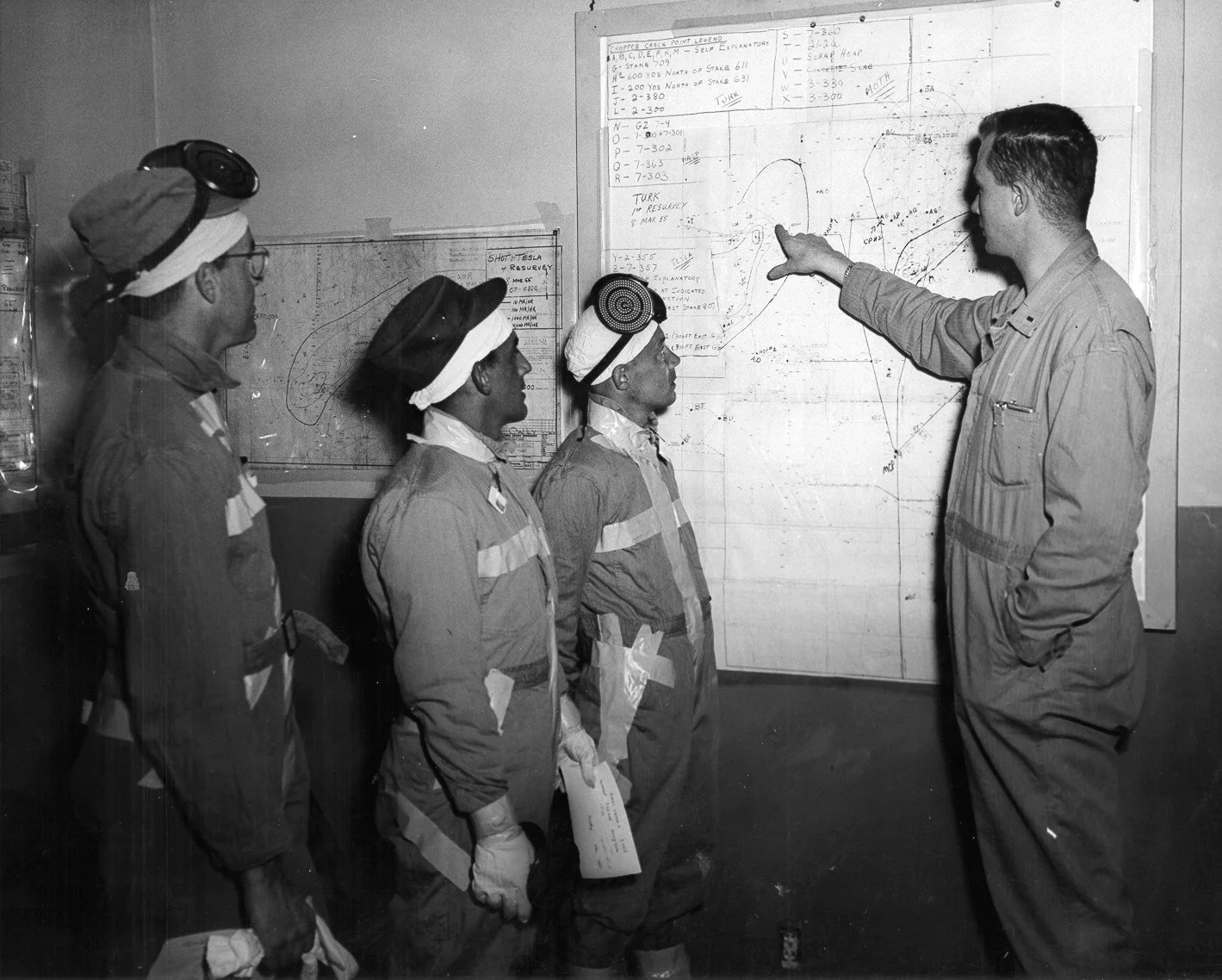
The book is based on extensive archival research and the award-winning Nevada Test Site Oral History Project (NTSOP). RPH Director and author Andy Kirk was the Co-Principle Investigator on the NTSOP and was inspired by the art created by protagonists in this history who labored for decades under strict secrecy.
Doom Towns was featured on the PBS NewsHour and the basis for two museum exhibits.
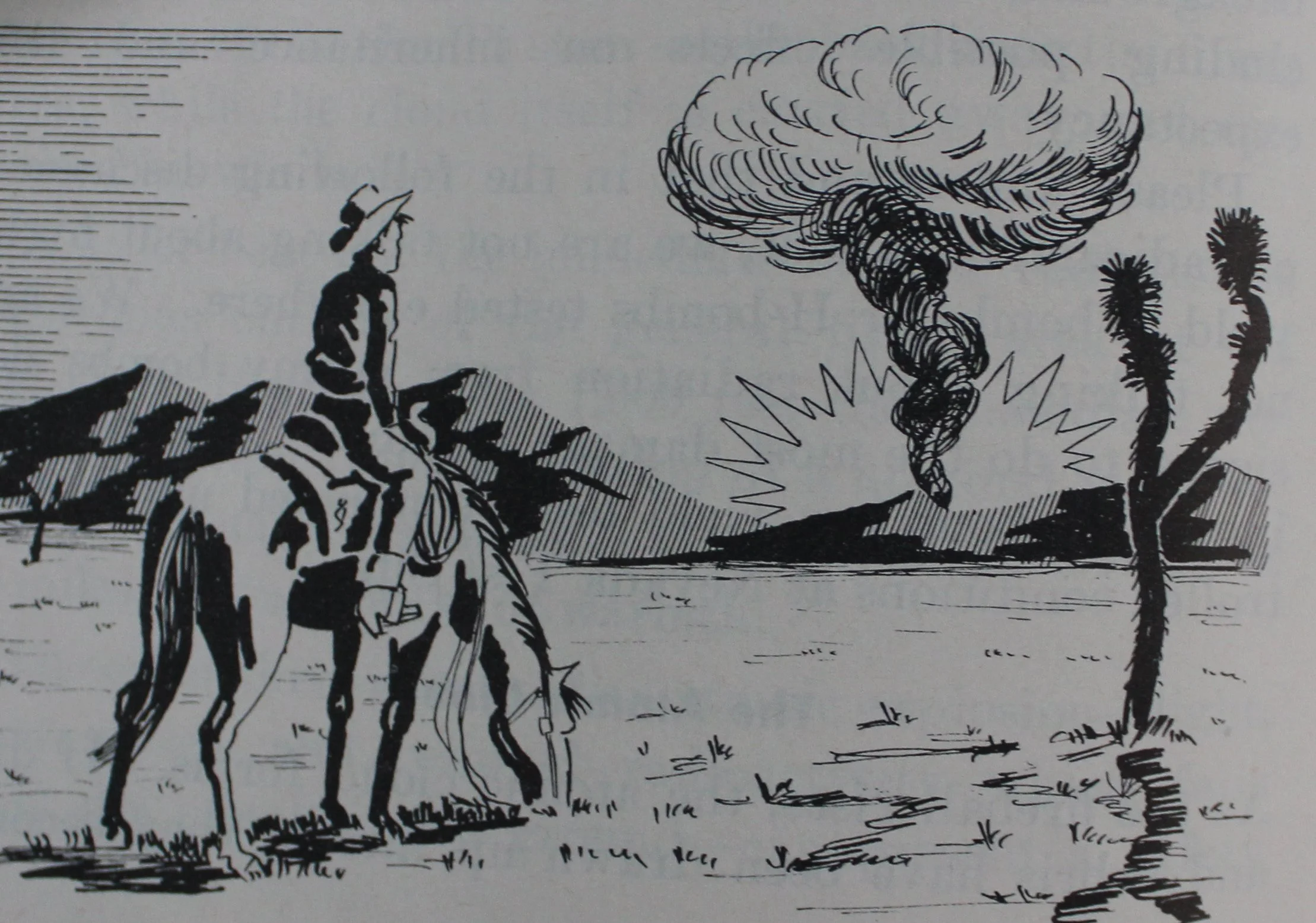
The purpose of the exhibits was to cultivate an awareness of a fading aspect of Nevada history – the complex and controversial story of the testing of atomic bombs in the desert at the Nevada Test Site. The focus is on the 1950s-1960s, but the exhibit also presents contextual background information and the legacy of the tests. Much of this history has been shrouded in government secrecy until recently, and some results of the tests took decades to emerge.
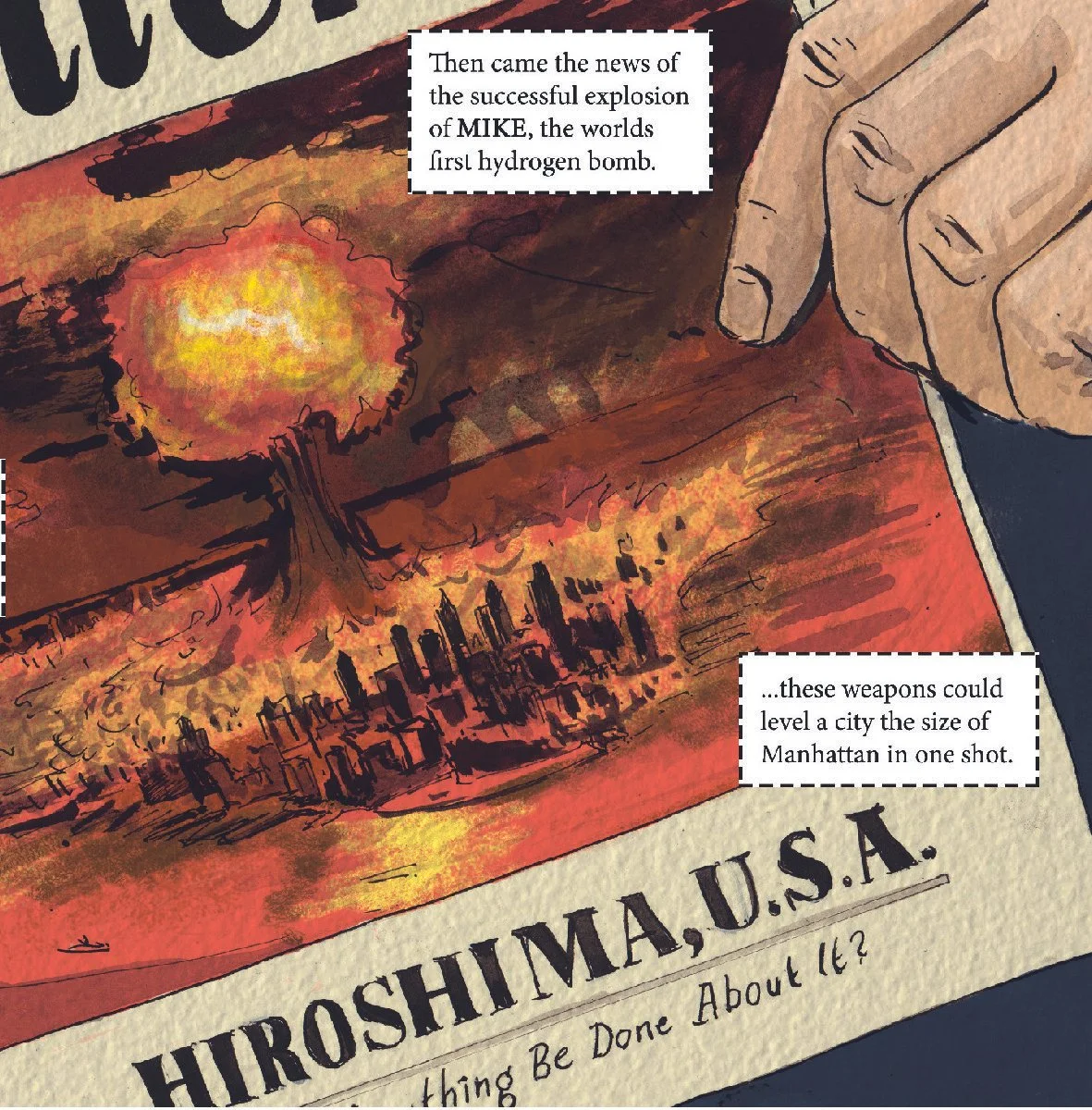
Both exhibits were based on the graphic are of Kristian Purcell for Doom Towns and the vast archive of visual culture created by atomic protagonists between 1951 and 1992.
The exhibit, explained that, "Despite the popular nature of the format, the book is based on deep and meticulous academic research using primary sources. The exhibit portrays some of the source material available to historians for the exploration of this topic and the creative but rigorous process of using historical documents and photographs to produce a trustworthy yet accessible narrative."
"The exhibit tells two intertwined stories: Nevada’s role in the rise of the atomic age, and the use of traditional history methodology to sort through vast amount of resources to create a very contemporary, readable book."
-
Funded by grants from the U.S. Department of Energy and the U.S. Department of Education, the Nevada Test Site Oral History Project
From September 2003 through January 2008 a wide range of oral history narrators participated in the project including: national laboratory scientists & engineers; labor trades and support personnel; cabinet-level officials, military personnel & corporate executives; Native American tribal & spiritual leaders; peace activists and protesters; Nevada ranchers, families & communities downwind of the test site. Interviews with more than 150 people totaling 335 hours, related transcripts, documents and photographs are housed in UNLV Lied Library's Department of Special Collections.
won the 2010 National Council on Public History Project Award.
-
A 2012-2014 U.S. State Department Grant supported a collaborative exchange of students and researchers studying the relationships and first-hand experiences of those who lived and worked on the U.S. and former U.S.S.R. nuclear test sites. The National Atomic Testing Museum and its Kazakh counterpart, the Karaganda Ecomuseum, located outside the vast Soviet Polygon nuclear testing zone, and UNLV public history organized a series of graduate seminars, public events and site visits.
Atomic West & World
The Reid Institute specializes in documenting, preserving, and disseminating the remembered past of people affiliated with and affected by Cold War nuclear testing. Our work on the atomic west and world builds upon the innovative and collaborative nature of public history to show how thoughtful research can foster intellectual community and contribute to public debate on important issues.